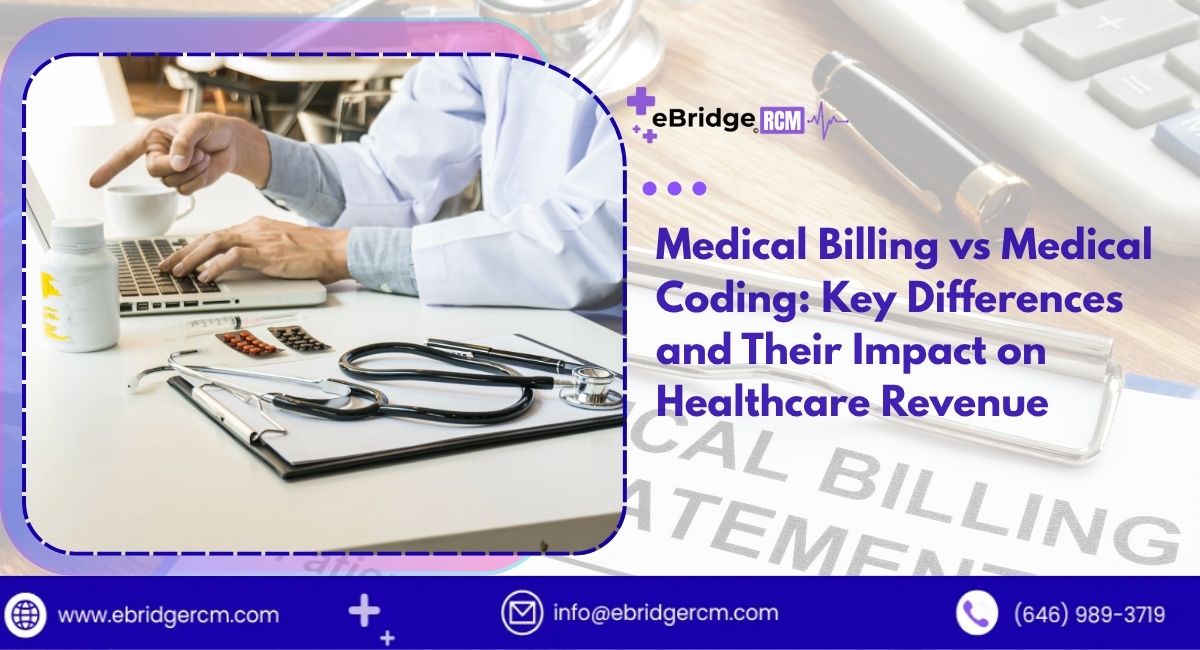
In modern healthcare, the terms medical billing and medical coding are often mentioned together, yet they represent distinct functions that are essential to a provider’s revenue cycle. For healthcare professionals, administrators, and new practices in New York, knowing the difference is vital to maintaining accurate reimbursements, compliance, and operational efficiency. This article provides a detailed guide to the distinctions between medical billing and coding, their workflows, and practical tips for integrating them into your practice. Providers managing complex payer interactions may also benefit from outsourcing solutions, such as 24/7 medical billing services that streamline revenue cycle management.
What Medical Coding Entails
Medical coding is the process of translating clinical notes, diagnoses, and procedures into standardized codes. These codes are essential for documentation, billing, and insurance claims. The most commonly used coding systems include:
- ICD-10-CM: International Classification of Diseases for diagnosis coding
- CPT: Current Procedural Terminology for services and procedures
- HCPCS Level II: Used for supplies, equipment, and non-physician services
Coding requires attention to detail and familiarity with clinical documentation. Errors in coding can lead to claim denials, delayed reimbursements, or regulatory penalties. Providers often rely on professional coders or best medical coding services to maintain accuracy and compliance.
Key Responsibilities of Medical Coders
- Reviewing patient charts and clinical documentation
- Assigning accurate ICD, CPT, and HCPCS codes
- Ensuring codes comply with payer requirements
- Flagging discrepancies or incomplete information for correction
Proper coding supports accurate billing and helps practices comply with regulatory guidelines.
What Medical Billing Involves
While coding converts services into standardized codes, medical billing focuses on submitting these codes to insurance companies for payment and managing patient statements. Billers serve as the bridge between healthcare providers and payers. Their responsibilities include:
- Preparing and submitting claims electronically or on paper
- Verifying insurance eligibility and benefits
- Following up on denied or delayed claims
- Generating patient invoices and statements
Accurate billing ensures that practices receive timely reimbursements and reduces administrative strain. Practices can also leverage outsourced medical billing solutions in New York to optimize revenue cycle performance and minimize claim denials.
Differences Between Medical Billing and Coding
Understanding the distinctions helps clarify workflows and resource allocation. The following table summarizes the core differences:
| Aspect | Medical Coding | Medical Billing |
| Purpose | Translate medical services into codes | Submit claims and collect payment |
| Focus | Accuracy of codes for clinical services | Accuracy of claims and reimbursement |
| Skillset Required | Clinical knowledge, coding expertise | Knowledge of payer rules, finance, and follow-up |
| Interaction | Works closely with clinical staff | Works closely with insurance companies and patients |
| Outcome | Accurate documentation and compliance | Timely revenue and reduced claim denials |
Although both functions are interdependent, coding serves as the foundation, while billing completes the revenue cycle.
How Billing and Coding Work Together
A streamlined revenue cycle depends on proper integration of coding and billing. Common workflows include:
- Patient Encounter Documentation: Physicians document diagnosis and procedures.
- Medical Coding: Coders review documentation and assign appropriate ICD, CPT, and HCPCS codes.
- Claim Preparation: Billers use codes to prepare claims, verify insurance eligibility, and submit claims to payers.
- Claims Follow-Up: Billers track claim status, handle denials, and appeal rejections.
- Payment Posting and Reporting: Payments are reconciled, and reports generated for revenue tracking.
Proper communication between coders and billers reduces errors, prevents claim denials, and ensures accurate reporting.
Common Challenges in Billing and Coding
Providers and practices encounter several obstacles that affect efficiency and revenue. Common challenges include:
- Coding errors leading to claim rejections
- Insurance verification delays
- Denials due to outdated or missing documentation
- Miscommunication between coding and billing teams
- Incomplete adherence to compliance standards
Addressing these issues may require training staff or outsourcing tasks to experts. For instance, internal medicine billing solutions offer specialized support for practices dealing with complex insurance workflows.
Impact on Revenue Cycle Management
Effective medical billing and coding directly influence a practice’s financial health. Errors or delays can result in:
- Increased claim denials
- Prolonged accounts receivable cycles
- Reduced cash flow
- Compliance risks with audits and payer reviews
The integration of electronic health records (EHR) with billing systems improves efficiency. Practices can explore EHR integration with medical billing to minimize data entry errors and enhance workflow consistency.
Best Practices for Accuracy and Efficiency
Maintaining high accuracy in billing and coding ensures smooth operations and timely reimbursement. Recommended practices include:
- Regular training for coding and billing staff
- Routine audits to identify errors early
- Accurate documentation from providers
- Timely follow-up on denied claims
- Leveraging software tools to automate repetitive tasks
Outsourcing some functions to professional billing and coding companies can help practices focus on patient care while ensuring compliance.
How Technology Supports Billing and Coding
Advancements in revenue cycle technology have transformed both coding and billing. Key tools include:
- Coding software: Suggests codes based on clinical documentation
- Claims management platforms: Tracks submission, rejection, and payment
- EHR integration: Reduces duplicate data entry and improves accuracy
- Analytics dashboards: Monitor KPIs such as denial rates, AR aging, and reimbursement timelines
Providers who invest in technology see improved accuracy, reduced delays, and better financial performance.
Preparing for Billing and Coding Audits
Audits by payers or regulatory agencies can be complex. Preparation includes:
- Maintaining accurate, complete documentation
- Keeping coding and billing records accessible
- Conducting internal audits regularly
- Addressing discrepancies promptly
Resources like medical billing compliance checklists help practices stay organized and audit-ready.
When Outsourcing Makes Sense
Many practices, especially smaller ones or specialized providers, consider outsourcing billing and coding to improve efficiency. Benefits include:
- Expertise in complex payer rules
- Reduced administrative burden
- Lower risk of errors and denials
- Faster reimbursements
- Access to specialized tools without upfront investment
For providers seeking comprehensive solutions, credentialing and billing support for internal medicine ensures seamless integration across revenue cycle operations.
Final Thoughts
Medical billing and coding, though often discussed together, serve different yet complementary roles. Coding ensures accurate representation of clinical services, while billing translates these codes into reimbursements. Proper management of both functions is vital for maintaining revenue, compliance, and overall operational efficiency.
For healthcare practices in New York seeking support with these processes, eBridge RCM LLC provides specialized medical billing and coding services that streamline the revenue cycle and minimize errors. Professional oversight allows providers to focus on patient care while ensuring financial stability.