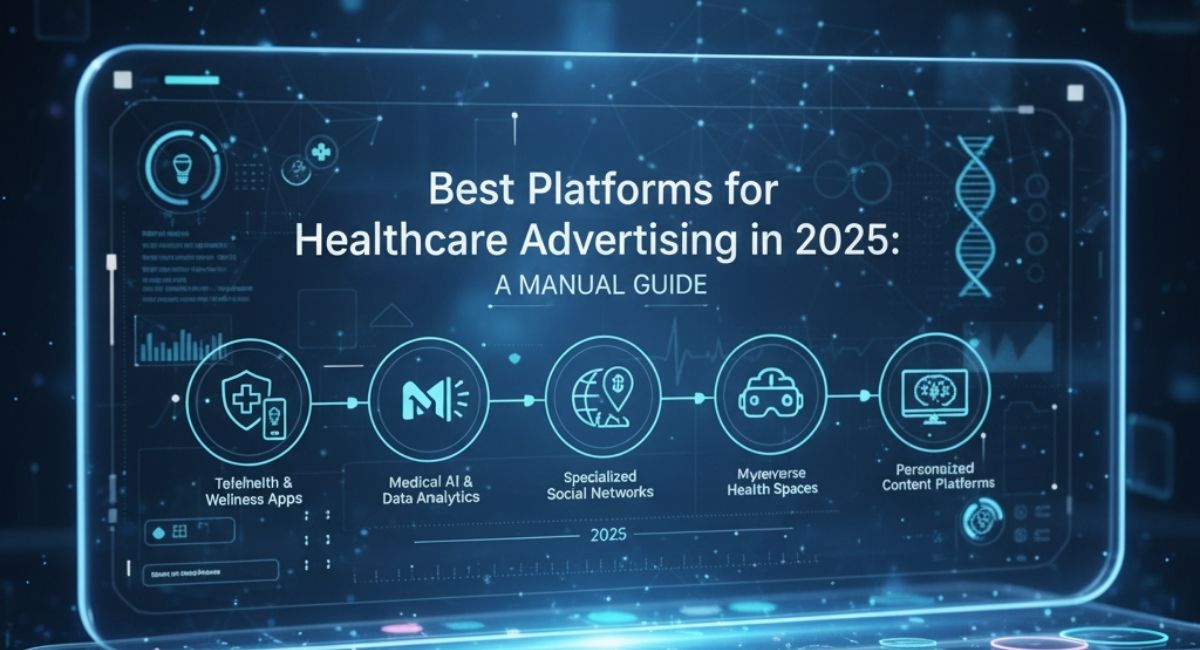
Healthcare providers, medical practices, and pharmaceutical companies are competing in a digital-first world where visibility is as important as patient trust. In 2026, the healthcare advertising landscape is no longer limited to traditional print ads or referrals. Patients are researching symptoms, comparing specialists, reading online reviews, and engaging with medical brands across multiple digital platforms. To remain competitive, healthcare organizations need to understand which healthcare advertising platforms and medical marketing channels offer the highest impact for digital campaigns.
This guide explores the most effective platforms, practical strategies for running campaigns, and insights into choosing the right mix of digital channels. Along the way, we will also touch on related topics like healthcare marketing services and healthcare SEO solutions to give your campaigns a strong foundation.
Why Healthcare Advertising Needs a Multi-Channel Approach
Patients are no longer relying on a single touchpoint before making decisions. A person searching for a cardiologist may first check Google, then read reviews on Healthgrades, browse social media discussions, and finally land on a practice’s website. If your practice is only present on one platform, you miss out on these layered interactions.
Digital campaigns work best when they combine multiple healthcare advertising platforms and deliver consistent messaging. This ensures both reach and trust-building, especially in fields like cardiology, dermatology, or neurology where competition is high and patient decisions involve long-term care.
Core Benefits of Multi-Channel Healthcare Advertising
- Better visibility across patient touchpoints
- Stronger reputation building through reviews and testimonials
- Improved lead conversion by capturing patients in different stages of research
- Data-driven insights for more effective targeting
Key Healthcare Advertising Platforms in 2026
Different platforms serve different needs in healthcare marketing. Below is a breakdown of the leading medical marketing channels that practices and hospitals should prioritize this year.
1. Google Ads and Local SEO Campaigns
Google remains the largest entry point for healthcare-related queries. Patients search everything from “best gastroenterology clinic near me” to “pediatric urgent care open now.” Paid campaigns through Google Ads allow precise targeting with location filters, while healthcare SEO solutions help your practice rank organically for relevant searches.
- Best for: Hospitals, specialty practices, urgent care centers
- Strength: Captures patients actively searching for medical help
- Tip: Combine paid search with local SEO optimization for long-term visibility
2. Facebook and Instagram Ads
Meta platforms are still powerful tools for audience engagement. Facebook Ads offer detailed targeting based on age, demographics, and health interests, while Instagram provides a visual-first platform for building trust and credibility. For specialties like dermatology, cosmetic surgery, or physical therapy, Instagram campaigns drive patient awareness effectively.
- Best for: Practices with a visual story (dermatology, wellness, aesthetics)
- Strength: High engagement and brand awareness
- Tip: Use patient education videos and testimonials for better interaction
3. LinkedIn for B2B Healthcare Advertising
LinkedIn has emerged as a reliable space for healthcare businesses targeting other professionals. Medical device companies, pharma firms, and healthcare software providers are investing in LinkedIn campaigns to connect with decision-makers.
- Best for: B2B medical services, pharma, healthcare SaaS
- Strength: Professional networking and industry reputation
- Tip: Focus on thought leadership content and case studies
4. YouTube and Video Campaigns
Video advertising is gaining ground as patients prefer visual education. YouTube allows healthcare organizations to share patient stories, treatment explanations, and awareness campaigns in a way that builds trust.
- Best for: Hospitals, surgical centers, mental health services
- Strength: Long-form educational content builds credibility
- Tip: Optimize videos with keywords like “best orthopedic surgeon in [city]”
5. Healthcare-Specific Directories
Platforms like Healthgrades, Zocdoc, and WebMD are highly trusted by patients searching for providers. Having strong visibility here enhances credibility and drives appointment bookings.
- Best for: Individual doctors, small practices, specialty clinics
- Strength: Trusted third-party validation
- Tip: Keep profiles updated with accurate contact and service details
6. Programmatic Advertising
Automated ad buying across multiple platforms has made it easier for healthcare marketers to run targeted campaigns. Programmatic platforms help target patients with specific needs, like people researching “family medicine billing” or “chiropractic care.”
- Best for: Larger hospitals, multi-specialty groups, healthcare tech firms
- Strength: Wide reach with precision targeting
- Tip: Use behavioral data for better ROI
Comparative Table of Healthcare Advertising Platforms
| Platform | Best Use Case | Strength | Example Campaign Type |
| Google Ads & SEO | Local patient acquisition | High-intent searches | “Urgent care near me” ads |
| Facebook & Instagram | Patient engagement and brand awareness | Detailed audience targeting | Dermatology before-and-after ads |
| B2B healthcare marketing | Professional networking | Pharma product case studies | |
| YouTube | Patient education and storytelling | Long-form content credibility | Surgery explainer videos |
| Healthgrades/Zocdoc | Appointment booking and reviews | Trusted patient directories | Verified doctor profiles |
| Programmatic Ads | Multi-channel visibility | Automated audience targeting | Retargeting chronic condition ads |
Balancing Paid and Organic Campaigns
A sustainable healthcare advertising strategy in 2026 does not rely only on paid campaigns. Paid ads drive quick visibility, but organic presence through SEO and reputation management ensures long-term patient trust. For instance, while investing in Facebook ads for urgent patient acquisition, practices should also improve their site visibility through our healthcare web development solutions.
Suggested Split for Medical Campaigns:
- 40% Paid Ads (Google Ads, Facebook, Instagram)
- 30% SEO & Content Marketing
- 20% Video and Educational Campaigns
- 10% Directory and Review Management
Advanced Strategies for Healthcare Digital Campaigns
- Geo-targeting for local practices: A small family clinic can use location filters to reach patients within a 10-mile radius.
- AI-driven personalization: Campaigns that adapt based on user behavior are showing better conversion rates.
- HIPAA-compliant retargeting: Using privacy-safe retargeting ensures ads are relevant without exposing sensitive patient data.
- Integrating billing solutions into marketing: Practices using advanced billing services such as family medicine billing can highlight transparent pricing as part of their advertising advantage.
Measuring Success of Healthcare Advertising Campaigns
Without tracking, campaigns are guesswork. Healthcare advertising platforms in 2026 provide detailed analytics that go beyond impressions and clicks. The goal is to measure patient inquiries, appointment bookings, and long-term retention.
Key Metrics to Track:
- Cost per lead (CPL)
- Appointment booking rate
- Patient retention from ads
- Website conversion rate
- Return on ad spend (ROAS)
FAQs on Healthcare Advertising Platforms in 2026
1. What are the best healthcare advertising platforms for small practices?
Small practices benefit most from Google Ads, local SEO campaigns, and healthcare directories like Zocdoc or Healthgrades. Social media can also help build brand visibility affordably.
2. How do digital campaigns for healthcare ensure compliance?
Campaigns must follow HIPAA guidelines, avoid sensitive targeting (such as specific medical conditions), and use anonymized audience data.
3. Is video advertising more effective than text ads for healthcare?
Yes, patients engage more with video content, especially when explaining treatments or showing patient testimonials. YouTube and Instagram Reels are proving highly effective.
4. Can SEO really compete with paid ads in healthcare marketing?
Absolutely. While paid ads generate quick leads, SEO builds a consistent flow of organic traffic and reduces dependency on advertising budgets.
5. Which platforms are better for promoting medical billing services or healthcare software?
LinkedIn and programmatic ads are the most effective for B2B campaigns, while Google Ads remain useful for targeting practices searching for solutions like healthcare marketing services.
Final Thoughts
Healthcare advertising in 2026 is not about choosing one platform but about combining the right mix. Google Ads and SEO capture active searches, social media drives engagement, directories establish trust, and video campaigns educate patients. A balanced approach ensures both visibility and credibility in a competitive digital space.
Practices that invest in both paid and organic medical marketing channels will see stronger patient acquisition and retention. To stay ahead, combining targeted ads with strong foundations like seo for doctors and website optimization will keep healthcare providers competitive in a fast-changing digital world.